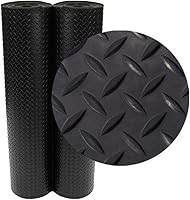
9 Best Flooring for Home Gyms (November 2026)
The best home gym flooring include the bemaxx Gym Mats Set for compact, flexible layouts, the AIRHOP Gym Floor Mat for a small workout zone, and the Nazhura 12 Pack 48 sqft Home Gym for broad cushioned coverage.
On this page (4 sections)
The best floors for a home gym depend on your workout and equipment: choose cushioned EVA foam for floor exercises, or consider rubber-top tiles for an equipment area. Compare those floor choices with the broader home gym equipment guide when planning the rest of your setup.
Measure first, then compare coverage, thickness and the floor beneath the mats.
A complete indoor gym floor can mean one workout zone or nearly the whole room. For a mat under one machine, see gym equipment mats.
These picks compare foam tiles across sizes and thicknesses, plus a rubber-top option and a wood-look surface.
Our picks at a glance
-
1

-
2

-
3
 Best for broad cushioned coverage
Nazhura 12 Pack 48 sqft Home Gym
9.4/10 our score
See it on Amazon
- 4
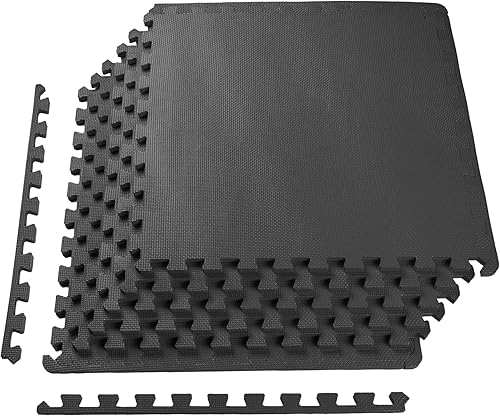 Check it
BalanceFrom Puzzle Exercise Mat 1/2" Thick
Best for a simple 24 sq ft setup - 5
 Check it
Haulcove 18 Pcs EVA Foam Floor Tiles
Best for barefoot and shoe workouts - 6
 Check it
AIRHOP Upgraded 0.79" Extra Thick 48 Sq
Best for extra-thick foam coverage - 7
 Check it
FLEXLIFT 0.56'' Thick 12 Pcs 48 Sq
Best for a rubber-top tile surface - 8
 Check it
YSHUFJOI 3x6 Feet Interlocking Foam Floor Mats
Best for a narrow 3 x 6 ft area - 9
 Check it
Sorbus Interlocking Wood Grain Foam Floor Tiles
Best for a wood-look exercise area
How we chose floors for home gyms
We compared material, thickness, tile size, stated coverage, edge pieces and care details against common home gym needs. Our score weighs specs, features and buyer feedback against what you're shopping for.
Coverage and construction matter as much as cushioning. For firmer surfaces, compare horse stall mats and gym mats before choosing a material.
A 48 sq ft set can cover more area with fewer tiles, while small puzzle pieces may make it easier to fit a compact zone.
For a dedicated garage setup, see our best garage gym flooring guide. If you want a roll instead of tiles, compare the best rubber flooring rolls for home gym options.
| Product | Best for | Material | Thickness | Coverage | Our score |
|---|---|---|---|---|---|
| bemaxx Gym Mats Set | compact, flexible layouts | EVA foam | 0.4 in | About 18 sq ft | 9.7 |
| AIRHOP Gym Floor Mat | a small workout zone | EVA foam | 0.4 in | Up to 18 sq ft | 9.6 |
| Nazhura 12 Pack 48 sqft Home Gym | broad cushioned coverage | EVA foam | 0.5 in | 48 sq ft stated | 9.4 |
| BalanceFrom Puzzle Exercise Mat 1/2" Thick | a simple 24 sq ft setup | EVA foam | 0.5 in | 24 sq ft | 9.3 |
| Haulcove 18 Pcs EVA Foam Floor Tiles | barefoot and shoe workouts | EVA foam | 0.4 in | 18 sq ft | 9.0 |
| AIRHOP Upgraded 0.79" Extra Thick 48 Sq | extra-thick foam coverage | EVA foam | 0.79 in | 48 sq ft stated | 8.8 |
| FLEXLIFT 0.56'' Thick 12 Pcs 48 Sq | a rubber-top tile surface | EVA foam and rubber | 0.56 in | 48 sq ft stated | 8.5 |
| YSHUFJOI 3x6 Feet Interlocking Foam Floor Mats | a narrow 3 x 6 ft area | Plastic | About 0.4 in in title | 8.5 | |
| Sorbus Interlocking Wood Grain Foam Floor Tiles | a wood-look exercise area | PE foam | 0.38 in | Conflicting pack coverage details | 8.0 |
The best floors for a home gym by setup
The top picks suit different room sizes and workout needs, so use the badge and coverage to narrow the choices. Every option here is an interlocking mat system, but the materials and tile dimensions differ.
bemaxx Gym Mats Set: Best for compact, flexible layouts
- 18 EVA foam tiles
- 0.4 in thick
- About 18 sq ft coverage
- Includes edge pieces
Small interlocking tiles and edge pieces suit a compact area that may need a custom shape. The cushioned surface is designed for general exercise and floor protection.
Pros
- Expandable puzzle layout
- Edge pieces included
- Wipes clean with soap and water
Cons
- Small tiles require more connections
- Foam is not a rubber surface
The bemaxx Gym Mats Set suits a smaller workout space that may need a flexible shape. Its 18 EVA foam tiles measure 12.6 in square and 0.4 in thick, with edge pieces for a neater perimeter.
The set covers about 18 sq ft, enough for a defined exercise zone rather than a large room. Its cushioned surface is described as waterproof and noise- and impact-dampening, and the tiles can be wiped with soap and water.
BeMaxx identifies the foam as BPA-free, latex-free, lead-free, phthalate-free and silicone-free. If you need a wood surface rather than foam, compare wood flooring for gym choices before settling on interlocking tiles.
Choose it for a compact area that may need to expand or change shape. Measure the full footprint and check whether the small tile grid works around your equipment.
AIRHOP Gym Floor Mat: Best for a small workout zone
- 18 EVA foam tiles
- 0.4 in thick
- Up to 18 sq ft coverage
- 12.6 in square tiles
This set uses small puzzle tiles for a defined exercise area. The surface wipes clean with a damp cloth and mild soap.
Pros
- Compact tile size for flexible layouts
- Interlocking design
- Textured surface
Cons
- Covers less area than 48 sq ft sets
- Foam surface rather than rubber
AIRHOP's Gym Floor Mat is another compact set with 18 small tiles, each measuring 12.6 in square and 0.4 in thick. The stated coverage is up to 18 sq ft, putting it in the same size class as the bemaxx set.
The puzzle tabs connect without tools, and the textured surface is designed to resist slipping. AIRHOP says the EVA foam absorbs sound and helps reduce shock, and the surface can be cleaned with a damp cloth and mild soap.
This layout suits a small workout station for stretching, yoga, Pilates or general exercise. It also lets you separate and soak the tiles for deeper cleaning.
Choose it when a small zone and wipe-clean surface matter most. For a different texture and more coverage, look at larger-tile options below.
Nazhura 12 Pack 48 sqft Home Gym: Best for broad cushioned coverage
- 12 EVA foam tiles
- 0.5 in thick
- 48 sq ft stated coverage
- 24 in square tiles
The larger tiles cover a broader area with fewer puzzle connections. Its half-inch EVA foam surface is intended to cushion workouts and protect floors.
Pros
- Large tiles assemble without tools
- Textured surface
- Can be disassembled for storage
Cons
- Foam may not suit every equipment footprint
- Confirm the exact set contents before planning borders
Nazhura uses 24 in square tiles that are 0.5 in thick, with 12 tiles and 48 sq ft of stated coverage. The larger format means fewer tile connections across a broad floor area than a set of small puzzle pieces.
The textured EVA surface is designed for grip and cushioning, and the tiles connect and disconnect without tools. The set can also be disassembled for storage, which may help if the room has another use.
The product details give different component counts in different places, so check the package contents and edge pieces before planning an exact layout. Coverage is the useful starting point, but doors, columns and equipment bases can change how much floor you can cover.
Choose it for a larger cushioned area with half-inch tiles. If you need a set with a clearly stated 24 sq ft total, consider the BalanceFrom option.
BalanceFrom Puzzle Exercise Mat 1/2" Thick: Best for a simple 24 sq ft setup
- Six EVA foam tiles
- 0.5 in thick
- 24 sq ft coverage
- 12 end borders
Six 24 in square tiles create a stated 24 sq ft area, with end borders for a finished edge. The double-sided surface is described as non-slip.
Pros
- Half-inch cushioning
- End borders included
- Moisture-proof surface for cleaning
Cons
- Six tiles limit layout options
- Foam is not intended as a rubber-top surface
BalanceFrom's set covers 24 sq ft with six 24 in square tiles, each 0.5 in thick. Twelve end borders are included, which helps finish exposed edges around a smaller workout area.
The double-sided surface is described as non-slip, and the mats are designed to cushion hard floors during exercise. BalanceFrom also describes the surface as moisture-proof and suitable for cleaning with soap and water.
A six-tile set is simpler to lay out than a larger pack, but it offers fewer ways to shape a room around obstacles. Measure the space and decide whether 24 sq ft is enough for the movements and equipment you use.
Choose it for a straightforward, half-inch foam floor with included borders. If you need a broader area, compare the larger packs and confirm their stated coverage.
Haulcove 18 Pcs EVA Foam Floor Tiles: Best for barefoot and shoe workouts
- 18 EVA foam tiles
- 0.4 in thick
- 18 sq ft coverage
- Textured top and bottom
Textured surfaces on both sides and a compact tile size make this set a practical fit for stretching, yoga and general exercise. Its 18 sq ft coverage suits a smaller zone.
Pros
- Dual-texture design
- Lightweight and stackable
- Wipes clean
Cons
- Smaller coverage than large-tile sets
- Foam surface
Haulcove's 18 tiles measure 12.6 in square and 0.4 in thick, for 18 sq ft of stated coverage. The top and bottom both have a textured surface, and the EVA tiles connect with puzzle edges.
The lightweight, stackable design is suited to a room where you may need to rearrange or store the floor. Haulcove describes the surface as water-resistant and says it wipes clean after sweat, light spills or dirt.
This set is sized for stretching, yoga, Pilates and general exercise. It gives you a small area of foam cushioning, rather than the broader footprint of 24 in tiles.
Choose it for a compact, textured surface that can be moved or stacked. Compare the tile size with your planned workout area before buying.
AIRHOP Upgraded 0.79" Extra Thick 48 Sq: Best for extra-thick foam coverage
- 12 EVA foam tiles
- 0.79 in thick
- 48 sq ft stated coverage
- 24 in square tiles
These thicker tiles provide a cushioned foam surface across a stated 48 sq ft. Check equipment stability and door clearance when adding a thick floor layer.
Pros
- Thicker than the other foam sets here
- Reversible black and gray design
- Large interlocking tiles
Cons
- Thicker surface can affect equipment height
- Foam may compress under concentrated loads
AIRHOP's upgraded set stands out for its 0.79 in thickness and 48 sq ft stated coverage. The 12 interlocking tiles measure 24 in square and have a reversible black and gray design.
Thicker foam adds a larger step at room edges and raises equipment from the original floor. Check the height of your doors and the stability of equipment feet before covering a large area with these tiles.
AIRHOP describes the surface as waterproof and slip-resistant, with a steel pattern on both sides. The set is intended for home gyms, garages and basements, among other spaces.
Choose it if extra-thick foam and broad coverage match your setup. For a lower profile or a rubber surface, compare the other tile types first.
FLEXLIFT 0.56'' Thick 12 Pcs 48 Sq: Best for a rubber-top tile surface
- EVA foam base with rubber top
- 0.56 in thick
- 12 tiles
- 48 sq ft stated coverage
A rubber top over an EVA foam base makes this a distinct option for a broader equipment area. Its 24 in tiles connect into a stated 48 sq ft layout.
Pros
- Rubber surface over foam base
- Large interlocking tiles
- Designed for equipment areas
Cons
- Hand-wash care
- Confirm surface compatibility with your existing floor
FLEXLIFT combines an EVA foam base with a rubber top in 24 in square tiles that are 0.56 in thick. The 12-piece set is described as covering 48 sq ft, making it one of the larger layouts here.
A rubber surface may suit an equipment zone where you prefer a firmer-feeling top layer than plain foam. FLEXLIFT says the interlocking locks are enlarged to help keep tiles connected, and recommends hand washing.
The manufacturer describes the set for garages, basements and home fitness rooms. Check compatibility with the floor underneath and the feet of your equipment before laying the tiles over a finished surface.
Choose it for a broad tile floor with a rubber top. If you are considering pure rubber flooring, see our best commercial gym flooring guide for other material and room considerations.
YSHUFJOI 3x6 Feet Interlocking Foam Floor Mats: Best for a narrow 3 x 6 ft area
- 18 interlocking foam tiles
- About 0.4 in thick
- 3 x 6 ft stated layout
- Textured surface
The stated 3 x 6 ft arrangement fits a narrow workout strip. The product title describes 0.4 in thickness, while its specs give 0.47 in, so confirm the dimension before buying.
Pros
- Narrow stated footprint
- Lightweight puzzle tiles
- Waterproof surface claim
Cons
- Thickness details differ
- Material is identified as plastic in its specs
YSHUFJOI's 18-piece set is described as fitting a 3 x 6 ft workout area, a narrow footprint for a mat row or exercise strip. Its title gives a 0.4 in thickness, while its specs state 0.47 in.
The material is identified as plastic in the specs, while the product description calls the tiles foam. That difference makes it sensible to confirm the material and thickness before choosing this set for a particular floor.
The tiles have a textured surface and are described as waterproof and easy to clean. They can be connected without tools and moved for storage.
Choose it if the narrow stated layout fits your room and you confirm the dimensions. A product with consistent material and thickness details may be easier to plan around.
Sorbus Interlocking Wood Grain Foam Floor Tiles: Best for a wood-look exercise area
- 24 PE foam tiles
- 0.38 in thick
- Wood-grain finish
- Interlocking edges
A pine wood-grain finish gives the foam tiles a different look from plain black gym flooring. Coverage details conflict, so verify the pack area before planning a room.
Pros
- Wood-grain appearance
- Detachable edge pieces
- No adhesive needed
Cons
- Coverage details conflict
- Foam is intended for common foot traffic
Sorbus offers a pine wood-grain finish on interlocking foam tiles, giving a workout area a different look from plain black mats. Each tile measures 24 in square and 0.38 in thick.
The coverage details conflict: one set of product details says 24 tiles cover 96 sq ft, while another description says each pack provides 96 sq ft. Confirm the area included in the pack before ordering enough for a room.
Detachable edges let a tile serve as a corner, border or center piece, and no adhesive is needed. Sorbus describes the tiles as waterproof and suitable for common foot traffic, but not as a heavy equipment floor.
If a rack will sit on the flooring, review putting a power rack on mats before choosing.
Choose it for a wood-look cushioned surface in a lighter-use gym area. For more on the material and appearance trade-offs, read how to choose wood flooring for a home gym.
What should you compare before choosing gym floors for home?
Compare the floor material, tile thickness and total coverage before choosing a home gym surface. These details affect how the floor feels, how much area a set covers and how it fits around your equipment.
How do foam and rubber gym floors differ?
EVA foam is cushioned underfoot and commonly used for bodyweight exercise, stretching and general workouts. A rubber-top tile combines a firmer surface with a foam base, so check both layers when comparing gym floors for home.
If you plan to use rubber mats over a finished floor, consider whether the surface beneath them could discolor. Our guide explains whether rubber gym mats can discolor the floor beneath them.
How much coverage do home gym floors need?
Measure the area you want to cover, then compare it with the set's stated coverage. Include room for tile borders and check whether furniture or equipment will sit partly on and partly off the mats.
For a room with carpet, read our guide to best home gym flooring over carpet. If the room is below ground level, the best flooring for basement gym guide can help narrow your choices.
What thickness works for a gym floor?
Thickness is a trade-off between cushioning and room fit. Thicker tiles raise equipment and create a taller edge, while thinner options may suit a low-clearance room or a setup with stable equipment feet.
Read what gym mat thickness changes before choosing a thick tile set. For color and room appearance, use our guide to gym flooring colors.
Is interlocking flooring right for a full indoor gym?
Interlocking tiles make it possible to cover a defined area and rearrange the layout, but the tile material and connection style should suit your equipment. Check each product's stated use and do not assume foam tiles will work for every load or movement.
For a larger commercial-style area, compare best commercial gym flooring. If chemical content is a priority, our guide to non toxic gym flooring explains what to check.
Can home gym tiles work outdoors?
Some foam tile sets mention outdoor use, but indoor and outdoor conditions can differ. Check care guidance and suitability for moisture, heat and the surface below before leaving mats outside.
For a product category made for outdoor layouts, see best interlocking rubber tiles outdoor. For a garage-specific setup, compare best interlocking rubber tiles for garage floor.
Which floor for a home gym should you choose?
Choose the bemaxx set for a compact, flexible foam layout, or Nazhura for a larger area of half-inch tiles. Consider FLEXLIFT when you want a rubber top, and AIRHOP's thicker set when its extra height fits your equipment and room.
If your priority is flooring for gym floors that covers a larger indoor area, start with exact measurements and confirm each set's coverage. For tile alternatives, compare best EVA foam interlocking tiles and best rubber gym flooring interlocking tiles.
The best flooring for gym floors is the one whose material, thickness and layout match your training space. Pick by use first, then confirm the dimensions and surface compatibility before buying.
Our top 3 picks at a glance
-
1
-
2
-
3
Best for broad cushioned coverage
Nazhura 12 Pack 48 sqft Home Gym
9.4/10 our score
See it on Amazon
Frequently asked questions
What is the best flooring for a home gym?
The best flooring depends on the activity and equipment. EVA foam tiles can cushion bodyweight exercise, while rubber-top tiles offer a different surface for equipment zones.
Measure the room, check the floor beneath, and compare thickness and coverage before choosing.
Is foam or rubber better for gym floors at home?
Foam feels cushioned underfoot and can suit stretching or general exercise. Rubber surfaces are often chosen for equipment areas, but check the material and construction because some tiles combine a rubber top with a foam base.
Choose based on your equipment, floor protection needs and desired feel.
How thick should home gym flooring be?
There is no single best thickness for every home gym. Thicker foam can add cushioning, but it may affect equipment stability, door clearance and transitions to nearby flooring.
Compare the mat thickness with your workout, equipment feet and room layout before covering the floor.
Can interlocking gym tiles cover a whole room?
Yes, if the tile set covers the measured floor area and its shape fits around doors, corners and fixed equipment. Add the area of each section you want to cover, then compare it with the set's stated coverage.
Leave room for clean edges and check whether edge pieces are included.
Can gym flooring go over carpet?
Some interlocking mats can sit over carpet, but soft pile may let tiles shift or flex under equipment. Check the carpet thickness and mat instructions, then test fit before placing heavy equipment.
For options and setup considerations, see our guide to best home gym flooring over carpet.