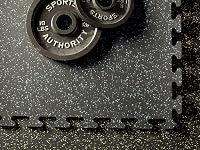
9 Best Garage Gym Flooring (November 2026)
The best garage gym flooring include the SUPERJARE 0.56'' Thick 48 Sq Ft Rubber for a balanced lifting area, the AIRHOP Gym Floor Mat for light floor workouts, and the AIRHOP 0.79in Thick 48 Sq Ft Exercise for extra cushioning.
On this page (6 sections)
- Which garage gym flooring fits your workout area?
- How should you choose flooring for a concrete garage slab?
- Are interlocking tiles or a floor roll better for a garage gym?
- Does gym flooring thickness matter for garage lifting?
- How can you protect a coated garage floor under rubber mats?
- Which garage gym flooring should you choose?
The best garage gym flooring for most concrete slabs is the SUPERJARE 0.56-inch rubber top tile set. If your garage has carpet, see our home gym flooring over carpet guide for setup considerations.
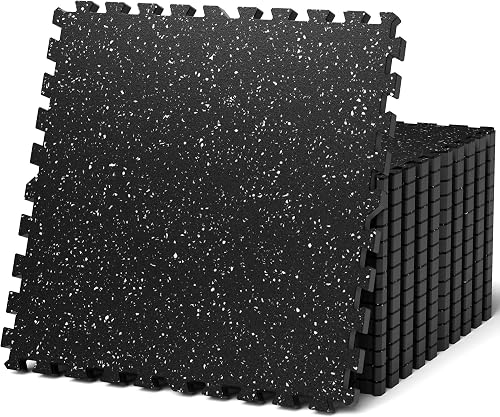
Its 48 sq ft layout, interlocking edges and EVA foam base make it a useful balance of coverage and cushioning for a defined workout area.
For a wider floor, a roll can cover more space in one piece. For harder lifting, compare the floor's firmness and construction with the impact you expect, rather than choosing by thickness alone.
The horse stall mats vs gym mats comparison can help weigh those surface differences.
Our picks at a glance
-
1
 Best for a balanced lifting area
SUPERJARE 0.56'' Thick 48 Sq Ft Rubber
9.7/10 our score
See it on Amazon -
2

-
3
- 4
 Check it
Grandroad auto 8x20 FT Garage Floor Mat
Best for broad garage coverage - 5
 Check it
SUPERJARE 1" Extra-Thick Rubber Top Exercise Mat
Best for high-impact workouts - 6
 Check it
PRAISUN 0.56" Rubber Top Gym Flooring
Best for a standard tile layout - 7
 Check it
Kihdockood Gym Flooring 0.56"/ 0.79" Thick
Best for thickness options - 8
 Check it
AIVORO 0.6" Thick Rubber Top Exercise Mats
Best for rearrangeable zones - 9
 Check it
BASELAYER Performance Series Interlocking Floor Tiles
Best for firmer weight training
Which garage gym flooring fits your workout area?
The best garage gym flooring depends on the work zone: rubber top tiles suit a compact lifting area, while a roll covers more of the garage. The products below are ordered by their fit for this roundup, using construction, coverage and stated features.
We compared the listed materials, thicknesses, coverage and intended uses. Our score weighs specs, features and buyer feedback against what you’re shopping for.
| Product | Best for | Coverage | Thickness | Layers | Our score |
|---|---|---|---|---|---|
| SUPERJARE 0.56'' Thick 48 Sq Ft Rubber | a balanced lifting area | 48 sq ft | 0.56 in | EVA foam base, EPDM rubber top | 9.7 |
| AIRHOP Gym Floor Mat | light floor workouts | Up to 18 sq ft | 0.4 in | 9.6 | |
| AIRHOP 0.79in Thick 48 Sq Ft Exercise | extra cushioning | 48 sq ft | 0.79 in | Rubber top, EVA foam base | 9.5 |
| Grandroad auto 8x20 FT Garage Floor Mat | broad garage coverage | 160 sq ft | 2.8 mm | 9.3 | |
| SUPERJARE 1" Extra-Thick Rubber Top Exercise Mat | high-impact workouts | 48 sq ft | 1 in | EVA foam base, EPDM rubber top | 9.0 |
| PRAISUN 0.56" Rubber Top Gym Flooring | a standard tile layout | 48 sq ft | 0.56 in | EVA foam core, EPDM rubber surface | 8.8 |
| Kihdockood Gym Flooring 0.56"/ 0.79" Thick | thickness options | 0.56 in dimensions given | 8.6 | ||
| AIVORO 0.6" Thick Rubber Top Exercise Mats | rearrangeable zones | 0.6 in | 8.2 | ||
| BASELAYER Performance Series Interlocking Floor Tiles | firmer weight training | 15 sq ft | 0.5 in | 8.0 |
SUPERJARE 0.56'' Thick 48 Sq Ft Rubber: Best for a balanced lifting area
- 48 sq ft across 12 tiles
- 0.56 in thick
- EVA foam base with EPDM rubber top
- Interlocking edges with detachable borders
A middle-ground thickness and rubber top suit a defined garage workout zone. Twelve interlocking 24 x 24 in tiles cover 48 sq ft.
Pros
- Rubber top over cushioned EVA
- 48 sq ft modular coverage
- Detachable borders
Cons
- Tile coverage may leave seams across a large garage
- Foam base may feel softer than firm commercial flooring
SUPERJARE’s 0.56 in tiles are the balanced pick for a garage gym that needs a defined, cushioned workout zone. The set includes 12 interlocking 24 x 24 in pieces for 48 sq ft, so it can cover a rack and bench area without requiring a whole-garage installation.
Before placing a rack there, read about setting a power rack on mats.
The dual-layer build combines an EVA foam base with an EPDM rubber top. SUPERJARE says the surface provides grip and the foam helps absorb impact, noise and vibration, which may suit mixed strength and floor workouts.
The detachable borders help finish the outside edges in a square or rectangular layout. Measure your slab and equipment footprint first, then plan seams away from places where a rack foot or bench leg will sit.
Choose this set if you want rubber on top with more cushion underfoot. If you need a broader sheet-like surface, compare best rubber flooring rolls for home gym.
AIRHOP Gym Floor Mat: Best for light floor workouts
- 18 interlocking EVA tiles
- 0.4 in thick
- Up to 18 sq ft coverage
- Each tile measures 12.6 x 12.6 in
Small foam tiles create a compact area for stretching, yoga and bodyweight exercise. Their limited coverage is better for a workout corner than a full garage floor.
Pros
- Lightweight foam tile layout
- Interlocking and trimmable design
- Waterproof surface
Cons
- Only 18 sq ft per set
- Foam is not a firm surface for heavy dropped weights
AIRHOP’s smaller foam tiles suit a light-use corner for stretching, yoga, Pilates or bodyweight work. Each set has 18 tiles measuring 12.6 x 12.6 in, with up to 18 sq ft of coverage.
The 0.4 in EVA foam construction emphasizes cushioning and floor protection for everyday impact. The puzzle-style edges can be arranged or trimmed to fit a small space, and the mats can be wiped with a damp cloth and mild soap.
This is the least suitable option here for a weight area with heavy equipment or dropped loads. Its foam construction and small coverage make more sense when comfort for floor exercise matters more than a firm lifting platform.
If your routine centers on a rower, see our best mat for rowing machine guide for options focused on that equipment.
AIRHOP 0.79in Thick 48 Sq Ft Exercise: Best for extra cushioning
- 48 sq ft across 12 tiles
- 0.79 in thick
- Rubber top with EVA foam base
- 24 x 24 in tiles
The thicker dual-layer tiles add cushioning under a garage gym zone. The 8 x 6 ft layout covers the same area as several thinner tile sets.
Pros
- Thicker than the 0.56 in options
- Rubber and EVA dual-layer build
- Interlocking 24 x 24 in tiles
Cons
- Cushioned foam may not suit every heavy lifting setup
- A 48 sq ft area may be too small for whole-garage coverage
AIRHOP’s 0.79 in set is the thicker rubber top option for buyers who want more cushion in a dedicated training area. It covers 48 sq ft with twelve 24 x 24 in tiles, arranged as an 8 x 6 ft rectangle.
The tiles pair a textured rubber top with a high-density EVA foam bottom. AIRHOP describes the surface as non-slip and says the foam helps reduce noise and vibration, but a cushioned base can feel different from firm, solid rubber under a rack or barbell.
The larger interlocking locks are intended to hold the tiles together during workouts. Use this as a protective workout zone and check that your equipment sits level on the assembled surface.
Choose it for thicker cushioning under general garage workouts. For more modular garage tile options, compare best interlocking rubber tiles for garage floor.
Grandroad auto 8x20 FT Garage Floor Mat: Best for broad garage coverage
- 8 x 20 ft roll
- 160 sq ft coverage
- 2.8 mm thick PVC rubber
- Diamond plate texture
This wide roll covers far more floor than a 48 sq ft tile set. Its 2.8 mm thickness is much thinner than cushioned exercise tiles, so use it for surface protection and broad coverage.
Pros
- Large 160 sq ft coverage
- Can be cut to fit
- Twenty pieces of double-sided tape included
Cons
- Much thinner than cushioned gym tiles
- Low temperatures can affect installation
The Grandroad auto roll fits buyers who want to protect a broad section of garage floor with one continuous mat. At 8 x 20 ft, it covers 160 sq ft and is made from 2.8 mm PVC rubber with a diamond plate texture.
That coverage is much larger than the 48 sq ft tile sets, but the roll is also much thinner. For individual machines, compare gym equipment mats.
It can be cut to fit, and 20 pieces of double-sided tape are included to help keep the edges in place on a clean, dry floor.
The maker recommends indoor use because low temperatures can affect paving, and suggests letting a slight bulge settle at room temperature for a few days. A thin roll is best treated as broad surface protection, not as the same cushioning layer as thicker interlocking mats.
Choose it when coverage matters more than a soft workout surface. If a walking pad shares the garage, our walking pad treadmill guide covers floor and placement considerations for that equipment.
SUPERJARE 1" Extra-Thick Rubber Top Exercise Mat: Best for high-impact workouts
- 48 sq ft across 12 tiles
- 1 in thick
- EVA foam base with EPDM rubber top
- Interlocking edges
The 1 in build is the thickest among these tile sets and is aimed at impact absorption. Choose it for a defined workout zone where added cushion matters.
Pros
- Thickest listed tile option here
- Rubber top with EVA foam base
- Interlocking 48 sq ft layout
Cons
- Thicker cushioning may feel less firm under some equipment
- Covers less area than the roll
SUPERJARE’s 1 in tiles are the thickest option here, aimed at workouts where added cushioning and impact absorption matter. The 12-piece set covers 48 sq ft and combines a high-density EVA base with an EPDM rubber top.
SUPERJARE says the thicker build absorbs shock and impact noise, and describes the surface as matte and non-slip. It is designed for garage and home gym use under weights, kettlebells and cardio equipment.
Thicker does not always mean more stable for every lift. Check that the rack, bench and other equipment sit level, and consider whether a softer-feeling base suits your training.
Pick this set for high-impact exercise or extra cushioning in a defined zone. If you prefer a tile layout with a thinner profile, the best rubber gym flooring interlocking tiles guide compares more options.
PRAISUN 0.56" Rubber Top Gym Flooring: Best for a standard tile layout
- 48 sq ft across 12 tiles
- 0.56 in thick
- EVA foam core with EPDM rubber surface
- Detachable borders
PRAISUN uses a familiar 24 x 24 in tile format and 0.56 in thickness for a medium-size garage workout area. The layout can be expanded or rearranged.
Pros
- 48 sq ft per set
- Rubber top over EVA core
- Interlocking edges and detachable borders
Cons
- No tile weight is provided
- Foam core may flex more than firm solid rubber
PRAISUN’s 0.56 in tiles offer another 48 sq ft modular layout for a garage workout area. The set includes 12 tiles, each 24 x 24 in, with a high-density EVA core and EPDM rubber surface.
The textured top is described as providing traction, while the cushioned base is intended to absorb impact and vibration. Detachable borders can give a finished edge, and the tiles can be rearranged to fit the space.
Its format and thickness resemble the SUPERJARE 0.56 in pick, so compare the exact surface feel, colors and available set configuration before deciding. Keep the floor clean and dry before assembly so the tile layout sits as evenly as possible.
Consider PRAISUN if you want a rubber top and cushioned core in a familiar tile size. For a broader overview of formats, start with best floors for home gym.
Kihdockood Gym Flooring 0.56"/ 0.79" Thick: Best for thickness options
- Rubber top with EVA foam base
- Interlocking tile design
- 0.56 in tile dimensions given
- Title offers 0.56 in and 0.79 in versions
The dual-layer format is designed for garage and home gym use. Confirm the chosen thickness and exact set coverage before planning the floor layout.
Pros
- Rubber and EVA dual-layer construction
- Interlocking format
- Multiple thickness options in the title
Cons
- Coverage is not clear from the given dimensions
- Confirm which thickness is included in the chosen configuration
Kihdockood is a dual-layer interlocking option for a garage or basement workout area. Its rubber top and EVA foam base are described as providing traction, cushioning and impact absorption.
The product title offers 0.56 in and 0.79 in versions, while the dimensions identify a 0.56 in tile. Confirm which thickness and how much coverage come with the configuration you choose, then compare those details with your floor plan.
The modular format can be assembled into a custom layout, which helps when the rack, bench and storage do not fit a standard rectangle. The available details do not give a clear set coverage, so plan only after confirming the pack size.
Choose it if you want to compare thickness options in a dual-layer tile. Avoid estimating coverage from the tile thickness alone.
AIVORO 0.6" Thick Rubber Top Exercise Mats: Best for rearrangeable zones
- 12 interlocking tiles
- Each tile described as 24 x 24 in
- 0.6 in thick
- Recycled rubber top with EVA base
The modular tiles can be rearranged as your garage workout area changes. Check the exact tile dimensions and coverage for your chosen set before mapping the space.
Pros
- Interlocking modular layout
- Dual-layer construction
- Water-resistant surface can be wiped clean
Cons
- Dimension details differ between the stated tile size and specs
- No detailed guidance for heavy weight drops
AIVORO’s tiles suit a workout area that may need to change shape over time. The set is described as 12 interlocking pieces with a recycled rubber top and high-density EVA base.
AIVORO gives the tile size as 24 x 24 in in its description, but the specifications show different dimensions. Confirm the actual tile size and total coverage for the configuration you plan to buy before laying out the garage.
The brand describes the top as water-resistant and suitable for wiping clean after light moisture. The cushioned construction is positioned for everyday exercise, cardio and light strength training, with noise and vibration reduction.
Choose these if modular placement and a dual-layer surface fit your routine. For heavier barbell work, prioritize a firm, level base and check how the tiles behave beneath your equipment.
BASELAYER Performance Series Interlocking Floor Tiles: Best for firmer weight training
- Six tiles cover 15 sq ft
- 0.5 in thick
- TPE material
- Cord channels underneath
The Performance Series uses firmer TPE tiles intended for heavy weights and high-impact training. Each pack covers 15 sq ft, and edges and corners are sold separately.
Pros
- Firmer density for heavy weights
- Under-tile cord channels
- Interlocking system
Cons
- Small coverage per pack
- Edges and corners sold separately
BASELAYER’s Performance Series is the firmer tile choice for heavy weights and high-impact training. Each pack has six 19 x 19 in TPE tiles, each 0.5 in thick, for 15 sq ft of coverage.
The precision interlocking tabs are designed for a close fit, and channels underneath can route electrical cords. Edges and corners are sold separately, so include those pieces in your layout plan if you want a finished perimeter.
TPE has a rubber-like feel, but the material is not the same as a rubber top over a foam base. BASELAYER describes its Performance Series as firm density, which makes it a different kind of choice from the more cushioned dual-layer tiles.
Choose it for a smaller, firmer lifting area. You may need multiple packs to cover a rack and movement zone, so measure the footprint before you settle on the layout.
How should you choose flooring for a concrete garage slab?
For a concrete slab, choose flooring by workout zone, surface firmness and coverage. A modular tile set is easy to shape around equipment, while a roll is useful when broad floor protection matters more than thick cushioning.
Start by measuring the space under the rack, bench and weights, then add room for safe movement around them. If you plan to keep a vehicle in the garage, map its path and storage area before choosing the flooring footprint.
Concrete can feel hard during floor exercises, but a soft foam layer may shift or compress under heavy equipment. Rubber top tiles with an EVA base trade some firmness for cushioning, while BASELAYER’s TPE Performance tiles are described as a firmer surface.
Are interlocking tiles or a floor roll better for a garage gym?
Interlocking tiles suit a specific workout zone that may change later, while a roll covers a wider area with fewer separate pieces. Tiles make it easier to replace or rearrange sections, and rolls can be cut to fit a broad floor shape.
The Grandroad mat covers 160 sq ft at 2.8 mm thick, so it offers much more coverage but less cushioning than the thick tile sets. The 48 sq ft tile options are easier to size around a rack or bench, though their seams and edges need a flat, clean surface.
For mixed setups, measure the area and consider using a broad protective layer for general traffic with a firmer training surface under weights. Keep edges out of walking paths where they could catch a shoe.
Does gym flooring thickness matter for garage lifting?
Thickness matters, but the material and firmness matter too. A thin roll can protect a broad area, while a thicker foam-backed tile can add cushioning and absorb some impact.
The options here range from a 2.8 mm roll to 1 in dual-layer tiles. A thicker tile may feel softer underfoot, while a firmer TPE tile may feel more stable for lifting despite being thinner.
Consider the weight and feet of your equipment, the kind of movements you do, and whether you drop weights. Read what gym mat thickness changes before choosing based on thickness alone.
How can you protect a coated garage floor under rubber mats?
Check how the flooring material may interact with the garage coating before covering the whole slab. If the concrete is painted or sealed, clean a small hidden area and test a small mat section first.
Rubber can mark or discolor some surfaces under certain conditions, and the product type and coating can affect the result. Keep moisture and grit from getting trapped under mats, since either can make floor care harder.
Read whether rubber gym mats can discolor the floor beneath them for more setup steps. Follow the flooring maker’s care instructions and inspect the slab when you move or clean the mats.
Which garage gym flooring should you choose?
Choose the SUPERJARE 0.56 in set for a balanced, 48 sq ft workout zone with a rubber top and cushioned base. Pick the 1 in SUPERJARE tiles for added cushioning, BASELAYER for a firmer small lifting area, or the Grandroad roll when broad coverage is the main need.
Measure your slab and equipment footprint first, then compare the thickness and firmness with your workouts. For a wider look at materials and room layouts, see best flooring for home gyms.
Our top 3 picks at a glance
-
1
Best for a balanced lifting area
SUPERJARE 0.56'' Thick 48 Sq Ft Rubber
9.7/10 our score
See it on Amazon -
2
-
3
Frequently asked questions
What is the best flooring for a garage gym on concrete?
Rubber top interlocking tiles are a practical choice for a defined garage workout area on concrete. They add a protective layer and can provide cushioning, while modular edges make it easier to cover only the space you use.
Choose a firmer tile surface for stable lifting, and measure the floor first so you know how many sets you need.
Are foam tiles enough for a garage weight room?
Foam tiles can work for stretching, yoga and bodyweight exercise, but soft foam can feel unstable under heavy equipment or hard weight drops. Dual-layer tiles with a rubber surface and foam base offer more grip, though they still have a cushioned feel.
For heavy lifting, look for flooring described as firm and check its intended use.
How thick should garage gym flooring be?
Thickness depends on the workout and the floor beneath it. A thinner roll can cover a broad area, while thicker tiles add cushioning under a compact training zone.
For weight training, compare surface firmness and the tile construction as well as thickness.
Our guide to what gym mat thickness changes explains the tradeoffs.
Can rubber gym mats discolor a garage floor?
Some rubber flooring may react with certain floor finishes, so check the mat material and your concrete coating before covering a large area. Test a small, hidden spot if you have a painted or sealed surface, and keep the floor clean and dry during setup.
Read more about whether rubber gym mats can discolor the floor beneath them.
Should garage gym flooring cover the whole garage?
No. Many home gyms only need a protected training zone under the rack, bench and equipment.
Measure that area, then leave room for walking and garage storage.
A wide roll can suit broad coverage, while interlocking tiles let you build a smaller modular zone.
What is better for a garage gym, a roll or interlocking tiles?
A roll suits broad, continuous coverage, while interlocking tiles are easier to shape around a workout zone or expand later. Compare thickness and surface firmness too, since some rolls are thin protective layers and some tiles have a cushioned foam base.
See our guide to best floors for home gym for more formats and setup choices.