Horse Stall Mats vs Gym Mats: Which Should You Choose? (November 2026)
Choose horse stall mats for a heavy lifting area when you can handle their weight and smell; choose gym mats for a lighter, easier-to-fit workout surface. The right horse stall mats vs gym mats choice depends on your floor, training and how much effort you're willing to put into setup.
On this page (7 sections)
- Horse stall mats vs gym mats: what is the main difference?
- Which surface works better for weight training?
- Which is easier to install in a home gym?
- What should you consider about odor and indoor air?
- Can stall mats or gym mats discolor the floor?
- How do you clean each type of mat?
- Which type should you choose for your workout?
Choose horse stall mats for a heavy lifting area when you can handle their weight and smell; choose gym mats for an easier-to-fit workout surface. The horse stall mats vs gym mats decision depends on how you train, what your floor can support and whether you want a fixed floor or movable tiles.
Stall mats are typically thick, heavy rubber sheets used to cover horse stalls. Gym mats come in many materials and formats, including interlocking foam tiles, rubber tiles and folding exercise mats.
No one option works for every home gym. Compare surface, coverage, setup and care before bringing mats indoors.


Horse stall mats vs gym mats: what is the main difference?
Horse stall mats are usually thick rubber sheets, while gym mats include lighter tiles and exercise pads made for different activities. The materials and format change how they feel under equipment, how they fit a room and how easily you can move them.
Stall mats can be a practical choice for a dedicated lifting zone when you can get them into the room and lay them flat. Gym mats are often simpler to fit around a small area or remove after a workout.
For a broader look at material and format options, see our guide to best rubber mats for a home gym. Think of the room and the equipment together: the right mat for a floor exercise area may not be the right choice beneath a rack.
What counts as a gym mat?
A gym mat can mean a thin yoga mat, a thick folding pad, a rubber tile or a set of foam puzzle pieces. The term alone doesn't say whether it can handle a loaded rack or repeated impact.
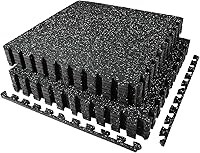
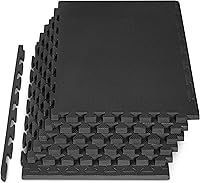
For example, the ProsourceFit puzzle mats use 1/2 in EVA foam and connect as tiles. The AIRHOP set combines a rubber top with an EVA base and covers 48 sq ft, while the CAP folding mat is 2 in thick and built for cushioning during floor exercise.
Match the type to the job. A thick folding mat is useful for stretching or aerobics, but it isn't the same as permanent flooring for heavy equipment.
Are stall mats all the same?
No. Dimensions, thickness, rubber blend and odor can vary between stall mats, so inspect the exact option before you buy.
Plan for handling as well as fit. A large rubber sheet can be difficult to carry through doorways or position alone, and cutting it to fit requires suitable tools and care.
Which surface works better for weight training?
A dense rubber surface is often the more practical starting point for a lifting area, but verify the mat's intended use and the load it will support. Foam tiles can cushion floor exercises, yet some may compress under heavy equipment.
Stall mats are popular for strength spaces because they provide a substantial rubber layer between equipment and the floor. That doesn't guarantee protection from every dropped load or make the mat right for every subfloor.
The ProsourceFit EVA tiles are described as suitable for workouts and exercise equipment, but their maker notes that foam may compress slightly under heavy objects. The AIRHOP rubber-top tiles are described as supporting heavy machinery, but you still need to follow the maker's use guidance and set the tiles on a suitable base.
What about dropping weights?
A mat can reduce direct contact with the floor, but it doesn't remove the force of a dropped weight. The floor structure, weight, drop height and mat construction all affect the risk of damage.
Don't use a thin exercise pad as a substitute for a lifting platform if you regularly drop heavy weights. Check your equipment and flooring guidance, and keep loads controlled.
For barbell training, place the rack and lifting area where the floor is level and structurally suitable. See power rack placement on mats for that setup question.
If you're unsure about the floor's capacity, consult a qualified building professional before adding substantial loads.
Can puzzle tiles shift or separate?
Interlocking mats can move if their base is uneven, dusty or exposed to repeated lateral force. Tile edges also create seams that may catch or open over time.
The AIRHOP mats have larger interlocking locks, according to the brand. Still, arrange tiles on a flat surface and inspect joints as part of regular setup.
If gaps keep appearing, our guide explains why gym floor tiles separate at the seams. For heavy lifting, avoid placing a rack across a seam unless the mat maker says that layout is suitable.
Which is easier to install in a home gym?
Interlocking tiles are easier to carry and arrange in smaller sections; a large stall mat may take more effort to move and position. Choose based on the route into the room as well as the final footprint.
Measure doorways, stairs, turns and the full workout area before buying. A mat that fits the room can still be difficult to get through the entrance.
Foam tiles such as the ProsourceFit sets can be assembled and disassembled for storage. The AIRHOP tiles also detach and can be extended, giving you more options if the workout zone changes.
Stall mats usually suit a space where you can leave them in place. Once positioned, they are less convenient to lift and rearrange than smaller tiles.
Should you cover the whole room?
Not necessarily. A defined lifting zone may need a different surface from a stretching or cardio space.
Start by marking the rack footprint, where you stand to lift, and where you set down weights. Add room for safe movement and equipment access, then decide whether you need full-room coverage.
The best large rubber gym mats guide can help if one broad surface suits your layout better than multiple tiles. A large mat also reduces the number of seams, though it can be harder to move.
Does thickness matter?
Thickness affects cushioning, stability and how well the mat fits beneath equipment. More thickness isn't always better if a soft surface lets a rack or machine wobble.
Check the mat's thickness and material together. The ProsourceFit foam tiles are 1/2 in thick, the AIRHOP tiles are 0.56 in thick, and the CAP folding mat is 2 in thick for exercise cushioning.
Read what gym mat thickness changes before choosing by thickness alone. The right level depends on whether you're lifting, doing floor exercises or cushioning movement.
What should you consider about odor and indoor air?
If a rubber smell would bother you in an enclosed room, air out rubber mats before use and consider a different material or tile format. Odor varies by mat and by how well the space ventilates.
Stall mats may smell strongly when new. Letting them air outside or in a well-ventilated space can reduce the initial odor, but the smell may linger.
Foam tiles can be a lighter alternative for home workouts, but they may compress beneath heavy equipment. Rubber-top foam tiles offer a different surface feel, though they still contain rubber.
If your gym shares air with bedrooms or living areas, test your tolerance before committing to a full floor. Avoid installing a strong-smelling mat where ventilation is poor.
Can stall mats or gym mats discolor the floor?
Yes, some rubber mats may discolor or mark floors, so check compatibility and use a protective layer when needed. The risk depends on the mat and the flooring underneath.
Don't assume a mat is safe for hardwood, vinyl or painted concrete just because it protects against scratches. Moisture, heat and prolonged contact may change how materials interact.
Read our guide on whether rubber gym mats can discolor the floor beneath them before installing rubber over a finished surface. Check underneath the mat after setup and periodically afterward.
How do you clean each type of mat?
Follow the mat maker's care directions and remove dust, sweat and spills before they build up. Use a cleaner that won't leave the surface slippery or damage the material.
Stall mats can hold dirt along edges and seams. Sweep or vacuum first, then wipe with a mild cleaner and allow the surface to dry fully before training.
For rubber surfaces, choose a compatible product rather than a strong solvent or abrasive cleaner. Our guide to the best cleaners for rubber gym floors covers what to look for.
The ProsourceFit foam mats can be cleaned with warm water and dish soap using a soft cloth or towel, then air dried. The AIRHOP mats call for wiping with a damp cloth.
Which type should you choose for your workout?
Choose stall mats for a dedicated lifting area if you can manage their size, weight and odor; choose gym mats for flexible coverage or floor exercises. The best fit follows your training and room setup.
Choose stall mats when you want a thick rubber surface, can install it safely, and have checked that the room and floor are suitable. They can be a practical option for a fixed rack area.
Choose interlocking gym tiles when you need manageable pieces that fit a smaller zone or can be moved later. The ProsourceFit 48 sq ft set is one option for a smaller EVA foam area, while AIRHOP's 48 sq ft tiles have a rubber top layer.
Choose a folding exercise mat when cushioning and storage matter more than covering a whole gym floor. The CAP mat folds and has handles, but its 72 x 24 in area is meant for individual exercise use.
Before you decide, measure your room, identify the heaviest equipment and confirm the mat works with your floor. For a fixed lifting space, choose a surface built for that load; for general workouts, choose the format you'll use and maintain comfortably.
Frequently asked questions
Are horse stall mats good for a home gym?
Horse stall mats can suit a home gym lifting area if you can move and position them safely, have a floor that can support the setup, and can manage rubber odor and cleaning. Check the exact mat's thickness, dimensions and care guidance before buying, since stall mats vary by source.
Are gym mats strong enough for weight lifting?
Some gym mats are made for equipment and weights, but the material and construction matter. EVA foam can compress under heavy objects, while a rubber-top tile may be more suitable for equipment use.
Check the maker's guidance for your specific mat and avoid dropping weights onto a surface not designed for impact.
Do horse stall mats smell?
Rubber stall mats may have a noticeable rubber odor, especially when new, and the intensity can vary. Airing them out before installation may help, but follow the seller's care directions.
If your workout room has limited ventilation or connects to living space, consider a lower-odor flooring option.
Can gym mats damage a floor?
Some rubber mats can discolor or mark the floor beneath them, depending on the flooring material and mat. Check compatibility with your floor, use a suitable barrier if needed, and lift the mat periodically to inspect underneath.
Read our guide to whether rubber gym mats can discolor a floor before setting up.
How do you clean rubber gym flooring?
Start with the mat maker's care instructions and use a mild method that won't leave a slippery residue. Some mats allow a damp cloth, while others need different care.
Our guide to cleaners for rubber gym floors explains what to consider before using a cleaner across a larger area.