Walking Pads: The Complete Buying Guide
A walking pad treadmill is a compact treadmill made mainly for walking at home. Choose a flat, low-profile pad for slow indoor steps, or a model with a handlebar, incline or higher speed range if you want more support and workout options.
On this page (14 sections)
- What is a walking pad treadmill?
- Which type of walking pad fits your routine?
- How wide and long should the belt be?
- What speed range and features do you need?
- When is a handrail worth the extra space?
- Which walking pad works under a desk?
- How much room does a walking pad need?
- Can you use a walking pad indoors on carpet?
- How do you store and move a walking pad?
- How do you choose a brand and check support?
- Which walking pads in this guide fit different needs?
- How do you care for a walking pad?
- Explore cardio equipment by topic
- How do you choose the right walking pad treadmill?
A walking pad treadmill is a compact treadmill designed mainly for walking at home. Pick a low-profile model for indoor steps or desk use, and consider a handlebar, incline or broader speed range if your routine calls for them.
The right choice depends on the space you can give it, the stride you need, and whether you want to walk while working or exercise without a desk. This guide explains the main types, sizing, controls, placement and everyday care.
What is a walking pad treadmill?
A walking pad treadmill is a compact, usually low-profile treadmill whose main purpose is walking. Many models use a remote rather than a large console, and some add a folding handlebar or other features.
“Walking pad” isn't a precise category with one standard size or speed. Check the belt dimensions, speed range, weight limit, controls and storage dimensions for each model.
A walking pad may suit steady indoor walking, short movement breaks or a standing-desk setup. It is not automatically a fit for running; confirm the machine's stated speed range and intended use before choosing.
Which type of walking pad fits your routine?
Choose a walking pad by how you plan to use it, because a desk setup and a dedicated workout place different demands on the machine. The three common styles are low-profile pads, pads with a handrail, and compact treadmills with broader workout features.
| Type | Useful when you want | Check before choosing |
|---|---|---|
| Low-profile pad | Walking at a desk or storing under furniture | Belt length, height, remote access and desk clearance |
| Pad with folding handrail | A handle to hold and more upright walking | Rail height, folding method and storage dimensions |
| Compact treadmill | More speed options, incline or a larger console | Full footprint, weight, noise and workout features |
A low-profile pad can fit under some standing desks, but desk height and leg clearance must work with your posture. A model with a rail can be easier to hold while stepping on or adjusting your pace, but it may not fit beneath furniture.
Compact treadmills can offer a wider speed range or incline. They also tend to need more floor and storage space, so compare the machine's working dimensions with the space you have.
For a closer look at the trade-offs between these categories, read our walking pad vs treadmill comparison. If you want to compare a broader range of home cardio options, see our best cardio home machine guide.
How wide and long should the belt be?
Choose a belt that gives you room for your natural stride at the pace you plan to walk. Usable belt length matters more than the machine's overall length because the frame and motor cover do not provide walking space.
Stand on a candidate belt, if you can, or compare its listed dimensions with a treadmill you already use. Walk at your normal pace and notice whether you tend to drift forward, back or to either side.
Taller users and people with longer strides may need more belt length. Our guide to walking pads for tall people explains what to check when the walking surface feels short.
Width affects how much room you have to place each step. If you walk while typing or turning to look at a screen, consider whether you can keep a steady path without brushing the belt edges.
Don't use the full outside dimensions as a substitute for belt size. A machine can have a long frame while leaving a shorter walking surface.
What speed range and features do you need?
Match the speed range to your planned activity, and use only the pace that lets you walk with control. Desk walking usually calls for a comfortable, steady pace, while a faster workout requires a model built for that speed.
Remote controls make it easy to adjust speed without reaching for a console. Keep the remote where you can reach it, and check whether the controls include a clear stop function before you start.
Some walking pads have incline settings, app controls, displays or a folding rail. Decide which features support your routine; extra functions can add setup steps and may affect where the machine fits.
If you want to jog, confirm the machine's speed range, handrail setup and intended use before buying. See our walking pads for jogging guide for models aimed at faster movement.
If incline is a priority, compare our walking pads with incline guide. A steep or powered incline changes the workout and may change the machine's size and cost.
When is a handrail worth the extra space?
A handrail is useful if you want a place to hold while stepping on, starting or walking. It can also bring controls closer, depending on the model.
The trade-off is space. Measure the machine with the rail raised and folded, then check the height of any furniture you plan to store it under.
Some rails are built into the walking pad, while others are separate accessories. Do not assume a universal fit; our guide to walking pad handrail options covers fit and compatibility.
For models designed with rails, compare our best walking pad with handrail guide. If you prefer to keep the deck low and simple, a flat pad may better suit an under-desk routine.
Which walking pad works under a desk?
A walking pad works under a desk only when the belt, desk height and your posture fit together. You should be able to walk without leaning forward, reaching awkwardly or hitting your knees on the desk.
Measure the height from the floor to the underside of the desk, and account for your shoes and standing posture. Check where the remote will sit and whether the power cord can reach an outlet without crossing your walking path.
Start at a slow pace and keep desk tasks simple until you can walk steadily. Typing, reading and video calls may feel different once you're moving, so build up gradually.
For models selected for desk use, see our best walking pads for under desk use guide. If you want more compact cardio choices for a small room, compare compact rowing machines for apartments.
How much room does a walking pad need?
Measure the full machine and the clear space around it, including the room you need to step on and off. A compact footprint does not mean the pad can be pushed against every wall or stored in every gap.
Mark the machine's length and width on the floor with tape. Stand at the front and sides to check that you can mount, dismount and walk without meeting furniture or doorways.
Check the manual for operating clearances and placement instructions. Keep the power cord out of the walking area, and make sure the outlet and controls are reachable.
If you plan to roll the machine away after use, measure the whole storage route. Include tight turns, bed frames and the height under sofas or cabinets.
Can you use a walking pad indoors on carpet?
Yes, walking pads are intended for indoor use, but the surface beneath the machine must be stable and suitable for that model. Check the manual before placing it on carpet, since airflow and stability requirements can differ.
A mat can help protect flooring and keep the machine from marking a surface. Choose one that lies flat and doesn't block vents or make the walking pad shift.
For carpet setups, see our best walking pad mat for carpet guide. Avoid placing the machine on thick, uneven carpet if it rocks or sinks when you walk.
Think about sound as well as the floor. Motor and footstep noise can travel through floors and walls, so use the machine at a considerate time and follow the maker's placement guidance.
How do you store and move a walking pad?
A walking pad is easier to store when its weight, height and rolling path match your home. Compare its folded dimensions and weight with the exact storage spot before you buy.
Some models have transport wheels, but you may still need room to lift or tilt one end. Check whether you can move it safely without dragging it across the floor or pinching the power cord.
Leave the belt and motor area clear while the machine is stored. If you need to move the pad frequently, a lighter design may be more practical; compare our lightweight walking pads guide.
A machine with a rail can take more storage height than a flat pad. Measure both configurations rather than relying on a general “foldable” label.
How do you choose a brand and check support?
Compare brands by the features, dimensions, support terms and controls of the specific model. A familiar brand name alone does not tell you whether a walking pad will suit your room or routine.
Check what the warranty covers, how to contact support, and whether replacement parts such as remotes are available. Keep the manual and model number where you can find them.
Explore the best walking pad brands guide for brand comparisons. If your remote is lost or stops working, our best walking pad remote replacement guide can help you identify compatible options.
Which walking pads in this guide fit different needs?
These four products cover a range from a low-profile walking pad to a folding treadmill with a broader speed range. Compare each model's stated dimensions and limits with your space and intended use.
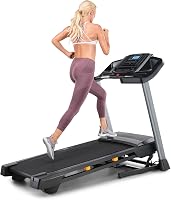
The NordicTrack T Series is the largest and most feature-rich option here, with speeds up to 10 mph, incline and a folding frame. Its 73.5 x 36 in footprint and 203 lb weight call for a dedicated spot and a plan for moving it.
The Yagud is aimed at walking in a small home or office. Its listed dimensions are 42 x 19.6 x 5.5 in, and it includes a remote; compare its weight limit with your needs before choosing.
The WELLFIT has a 36 x 16 in belt, manual incline and four control modes, including handlebar buttons and remote. Its listed maximum user weight is 350 lb, and the folded dimensions are 49.21 x 21.25 x 6.1 in.
THERUN describes this as a 2-in-1 under-desk walking pad with transport wheels and a 4.96 in height. Its listed maximum weight recommendation is 265 lb; compare the belt length with your stride before buying.
How do you care for a walking pad?
Follow the manual for cleaning, belt adjustment and lubrication because care steps vary by model. Unplug the machine before cleaning and keep dust and debris away from the belt and motor area.
Use only the lubricant and belt adjustment method the manufacturer allows. If your machine's manual calls for treadmill lubricant, our guide explains how to lubricate a treadmill.
Check the belt and power cord regularly for visible wear, and stop using the machine if something seems loose or damaged. Store the remote and safety key, if included, where you can find them.
Explore cardio equipment by topic
- Best Walking Pads for Heavy People
- Best Treadmills for Home Exercise
- Best NordicTrack Treadmills for Home
- Best Water Rowing Machines for Home
- Concept2 RowErg Review
- How to Use a Rowing Machine for Cardio
- Best Rowing Machine Accessories
- Best Recumbent Exercise Bikes for Home
- Best Upright Exercise Bikes for Home
- Best Folding Exercise Bikes
- Best Replacement Pedals for Exercise Bikes
- Best Air Bikes for Home Gyms
- What to Look for in an Under Desk Elliptical with Resistance Bands
- Best Pedal Exercisers for Arms and Legs
- Best Elliptical Machines for Home
- Best Mini Steppers for Home Exercise
How do you choose the right walking pad treadmill?
Choose a low-profile pad if you mainly want indoor steps or desk walking and have measured the desk clearance. Choose a model with a handrail, incline or higher speed range when those features match your workout and storage space.
Before you decide, compare usable belt size, weight limit, control access, operating clearance and where the machine will live between sessions. For another type of indoor cardio, consider a walking pad vs vibration plate comparison.
If walking isn't the right fit, compare a best rowing machine for home guide or explore best folding treadmills for home for other equipment options.
Frequently asked questions
What is a walking pad treadmill?
A walking pad treadmill is a compact treadmill designed mainly for walking, often with a low deck and a remote for speed control. Some models include a folding handlebar, incline or a faster speed range, so compare the features with the way you plan to use it.
Can you use a walking pad indoors?
Yes, a walking pad is made for indoor use, but the floor, power outlet, ventilation and available walking space all matter. Put it on a level, stable surface, follow the manual's clearance and use instructions, and consider how sound may carry to other rooms or neighbors.
How long should a walking pad belt be?
Choose a belt that gives you room for your natural stride at the pace you plan to walk. Taller users and people who take longer steps may prefer more belt length, but compare the usable walking surface rather than the machine's full outside length.
Can you put a walking pad on carpet?
Check the manual before placing a walking pad on carpet because airflow, stability and heat clearance can vary by model. A mat made for exercise equipment may protect the floor, but it should not block vents or make the machine rock during use.
Can a walking pad be used under a desk?
A low-profile walking pad can work under a standing desk if the belt, controls and desk height fit your setup. Leave enough room to step on and off safely, keep the remote close, and start slowly while you learn to walk and work at the same time.
Do all walking pads have handrails?
No. Some are flat under-desk models, while others have a folding handlebar or fixed rails.
A rail can offer a place to hold while getting on or adjusting your pace, but it adds height and storage needs, so check the folded and working dimensions.
How do you maintain a walking pad?
Follow the model's manual for belt checks, cleaning and lubrication because care steps differ. Keep dust and debris away from the belt and motor area, unplug the machine before cleaning, and use only the lubricant and adjustment method the manufacturer allows.