What Is the Best Wood for a Deadlift Platform?
Plywood is a practical base for a deadlift platform, with a hardwood center panel for a smoother lifting surface. Choose sound, flat sheets, build enough thickness for your setup, and add rubber where weights land.
On this page (6 sections)
Plywood is a practical base for a deadlift platform, with a hardwood center panel for a smooth lifting surface. Choose flat, sound sheets, build enough thickness for your setup, and add rubber where weights land.
The right platform wood should stay stable under your stance and equipment, give your feet dependable grip, and hold up to repeated use. The design matters as much as the wood species: a layered base with a center lifting panel and protected landing areas serves different needs than one bare sheet.
If noise and floor movement are part of your decision, see How Do Gym Flooring and Equipment Handling Affect Noise and Stability?. For a broader look at material choices, read our guide to weightlifting platform wood.
What is the best wood for a deadlift platform?
Use plywood for a layered base and consider hardwood for the center lifting panel. This combination lets you build a firm platform and reserve the smoother surface for where you stand.
Plywood is made in sheets, so it is practical to layer into a platform. Choose panels that lie flat and have no visible damage in the areas that will bear your stance or equipment.
Avoid relying on a warped or split sheet to create a stable surface.
A hardwood center gives you a continuous place to stand, while rubber can cover the sides where plates land. See our guide to flooring for gym weights for broader coverage options.
That layout separates the grip surface from the impact zones.
It also makes it easier to replace a worn landing layer without rebuilding the whole base.
Wood species alone cannot guarantee a platform will feel stable. The floor beneath it, how the layers are joined, and whether the finished surface stays level all affect how it works.
Which wood features matter most?
For the best wood for a deadlift platform, check strength, grip, thickness and durability together. No single feature makes up for a poor fit with your room or lifting setup.
| Factor | What to check | Why it matters |
|---|---|---|
| Strength | Sound panels without splits or soft spots | The platform must support your stance and equipment |
| Grip | A surface that feels secure under your lifting shoes | Foot movement can disrupt your setup |
| Thickness | Total height of every layer, including rubber | The platform should sit level and suit nearby equipment |
| Durability | Edges and landing areas that can take regular use | Impact and friction can wear exposed wood |
The platform surface should be firm enough for your stance. A thick, soft layer underfoot may compress differently than the wood or make the setup feel less stable.
How should you build the wood layers?
A deadlift platform often uses a stiff base, a center wood panel and rubber landing areas. Plan all layers before cutting so their finished height works with your rack, floor and available clearance.
Measure the space first, then lay out the footprint on the floor. Check door swings, nearby equipment and the route you use to carry weights.
Our guide to a power rack platform covers the added fit questions when a rack sits on the platform.
Use the base layers to create a flat, firm foundation. Keep the center lifting panel and landing areas level with each other so you do not create a raised edge that can catch a foot or plate.
Should the lifting surface be hardwood or plywood?
Use a smooth, flat panel where you stand, and choose a surface that gives you enough grip in your shoes. Hardwood is one option for the center; plywood can also serve as a platform surface if its finish and condition suit your setup.
Check the panel in person for splinters, rough spots and visible damage. A slick finish may feel different underfoot from unfinished wood, so avoid assuming that a glossy surface is safer or more durable.
The wood should not rock or flex under a normal standing setup. If it does, review the floor and base layers before adding more height.
Where should rubber go?
Put rubber in the plate landing areas to cushion impact and protect the wood. Rubber can also help reduce noise and vibration, though it does not make every lift silent.
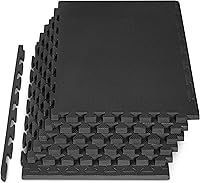
For a modular option, the SUPERJARE flooring uses a 0.56 in EVA foam base with a rubber top and interlocking tiles. Its maker describes the surface as cushioned and slip resistant, so consider it for a protected area around a platform.
The AIRHOP tiles also combine a 0.56 in EVA foam base with a textured rubber top. They cover 24 sq ft as a six-tile set, which may suit a smaller floor area.
These tiles are cushioned mats, not a replacement for a firm wood base. Check their thickness against the platform height and nearby equipment before combining layers.
How thick should a deadlift platform be?
Choose thickness by the finished platform height and the surface beneath it. Count the wood, rubber and any mat below the platform as one stack.
A thicker platform can add mass and raise the lifting surface, but extra height may create a mismatch with a rack or nearby floor. Measure the total before building, especially if the platform will sit under a rack or close to a low ceiling.
The thickness of a rubber layer also changes how the surface feels. Our guide explains what gym mat thickness changes, including cushioning and clearance considerations.
Keep the finished platform level from side to side. If it tilts or rocks, correct the base or floor contact rather than trying to compensate with a loose layer on top.
How can you protect the platform and floor?
Protect both surfaces by controlling plate impact and keeping the platform stable. Rubber landing areas can help absorb impact, while a sound base helps spread the load.
Avoid dragging plates across exposed wood. Lift and place them with care, and check the landing zones for wear over time.
If you train with heavy drops, crash pads can reduce noise and rebound at the point of impact.
The SEWD crash pads are a pair of foam pads with PVC leather covers and carry handles. They are described for reducing noise, vibration and rebound from dropped weights.
A platform also needs a suitable floor beneath it. Review how to protect a wood floor under exercise equipment if your workout space has finished wood flooring.
What common platform mistakes should you avoid?
Avoid uneven layers, slick footing and unprotected landing zones. These problems can make the platform awkward to use or lead to early surface wear.
- Skipping a floor check: A platform will not correct a sloped or uneven floor by itself.
- Building without measuring: Added platform height can affect rack fit and clearance.
- Using damaged wood: Splits, loose edges and warped panels can undermine a level surface.
- Leaving landing zones bare: Repeated plate impact can damage exposed wood.
- Choosing a slick finish: Your feet need reliable contact during the lift.
- Treating soft mats as a structural base: Cushioned tiles can protect floors, but plan a firm base for lifting.
Before your first session, inspect the edges, surface and floor contact. Check that the platform does not shift when you step on it and that your weights land on the intended protected areas.
How do you choose the best wood for a deadlift platform?
Choose plywood for a layered base, a smooth wood panel for your stance, and rubber for the landing zones. Match the finished thickness to your floor and equipment, then check that the platform is level and secure.
If you lift with a trap bar, our how to trap bar deadlift guide covers setup and technique. Pick a simpler mat-based setup if you need portable floor protection, and a layered platform if you need a dedicated, firm lifting surface.
Frequently asked questions
What is the best wood for a deadlift platform?
Plywood is a practical choice for the platform base because you can layer sheets for thickness and stiffness. A hardwood center panel can provide a smooth area to stand and lift, while rubber sides help protect the wood where plates land.
Choose flat, undamaged sheets and check that the finished surface suits your shoes and lifting setup.
How thick should wood be for a deadlift platform?
There is no single thickness for every platform. The right build depends on the floor, rack or lifting area, and whether rubber or other layers sit above the wood.
Measure the total height and make sure the platform stays level, stable and compatible with your equipment before cutting or fastening the layers.
Can you deadlift on plywood without rubber?
You can stand and lift on a plywood surface, but bare wood may be more exposed to impact and wear where plates come down. Rubber at the landing areas can help cushion drops and protect the wood.
If you plan to lower the bar quietly, controlled lowering matters as much as the surface.
Is hardwood better than plywood for a lifting platform?
Hardwood can make a smooth center panel, while plywood is often more practical for building the platform base from layers. They serve different roles rather than one replacing the other.
Check the wood for flatness and damage, and use a surface that gives your feet reliable grip during lifts.
Can rubber mats replace a wood deadlift platform?
Rubber mats can protect flooring and add cushioning, but they do not automatically provide the same firm, level surface as a platform built for lifting. Consider the equipment, floor, plate impact and available space.
For a wood platform, rubber can work as a landing layer rather than a substitute for a stable base.