Is a Rowing Machine Good Exercise?
Yes, a rowing machine can be good exercise because it combines repeated leg drive, trunk control, and arm work with adjustable cardio effort. Your pace, technique, and session length shape the workout.
On this page (8 sections)
- Is a rowing machine good exercise for cardio?
- What does the rowing movement train?
- How should you use a rowing machine for exercise?
- How does rowing compare with walking or running?
- What home cardio equipment can complement rowing?
- What should you check before buying a rower?
- Where should a rower sit on carpet or wood flooring?
- Is a rowing machine good exercise for your routine?
Yes, a rowing machine can be good exercise because each stroke combines leg drive, trunk control, and arm work with a steady cardio effort. How useful it is for you depends on whether you can row with sound technique at a pace and duration you can sustain.
Rowing is a repeated movement, so learning its sequence matters more than pulling as hard as possible. For home model options, see the best rowing machines for home.
If you're comparing home cardio options, consider the movement you enjoy, your available floor space, and how you'll fit regular sessions into your routine.
A magnetic recumbent exercise bike is another seated cardio option.
Is a rowing machine good exercise for cardio?
Yes, rowing can provide cardio exercise when you keep moving at a steady effort. You can make a session easier or harder by changing your pace, stroke rate, and machine resistance, depending on the rower.
For a steady session, choose a pace you can maintain without rushing the recovery. Shorter, faster intervals are another option, but they ask you to work harder for limited periods and recover between efforts.
A machine's resistance setting does not directly tell you how hard your body is working. Use your breathing, comfort, and ability to keep good form to guide effort.
Our guide to rowing machine cardio covers ways to structure a session.
What does the rowing movement train?
A rowing stroke uses your legs, trunk, and arms in sequence. The legs start the drive, the trunk helps transfer force, and the arms finish by drawing the handle toward you.
On the return, reverse that order: extend your arms, hinge your trunk forward, then bend your knees as the seat rolls toward the front. This sequence helps you avoid turning every stroke into an arm pull.
Rowing asks you to repeat this movement while sustaining effort, but it doesn't replace every kind of strength or cardio training. For a closer look at the muscles and movement involved, read is a rowing machine a full body workout.
Is a rowing machine good exercise if you want to use your whole body?
Rowing involves multiple areas of the body, though the legs do much of the driving. The handle pull is only the last part of the stroke, so strong rowing isn't just repeated arm work.
Expect the movement to feel different from a machine that isolates one body area. Start slowly enough to coordinate the legs, trunk, and arms without hunching or yanking the handle.
How should you use a rowing machine for exercise?
Start with an easy pace and learn the stroke before adding effort. Sit tall, keep your shoulders relaxed, and move in the order legs, trunk, arms on the drive.
At the finish, bring the handle toward your lower ribs without leaning far back. On the way forward, reach your arms out first and let the seat roll only after your trunk has hinged forward.
Stop if you feel sharp pain, dizziness, or unusual shortness of breath. A rower is adjustable, but no resistance setting makes poor technique a good choice.
What should a beginner's first rowing session feel like?
Your first session should feel controlled enough to repeat the stroke without rushing. Try a few minutes at an easy pace, pause if you need to reset, and add time gradually as the movement feels more familiar.
Avoid chasing a high stroke count before you can keep a smooth rhythm. If you want to learn a particular machine's controls and setup, see how to use a Matrix rowing machine.
How does rowing compare with walking or running?
Rowing uses a seated pull, while treadmill exercise uses upright walking or running strides. For compact upright walking, compare lightweight walking pads.
Neither is automatically the better choice; comfort, preference, goals, and space all matter.
A treadmill may make more sense if you want to walk or run in a familiar upright pattern. The NordicTrack T Series Treadmills for Home include a foldable frame, an LCD display, and a stated speed range up to 10 mph for the T6.5S.
This product family includes several models, so check the exact model and its features before choosing. Compare the movement and space tradeoffs in treadmill vs rowing machine.
Walking pads offer another upright option for people who want a compact walking setup. Our walking pad treadmill buying guide explains what to consider before buying.
What home cardio equipment can complement rowing?
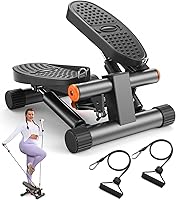
A different cardio movement can add variety if you want an alternative to rowing. A compact stepper uses repeated stepping, while resistance bands add upper-body movements during the stepping session.
The Sunny Health & Fitness Mini Stair Stepper includes 2 resistance bands and an LCD monitor that tracks time, step count, steps per minute, and estimated calories. It has an adjustable step height and an approximately 15.7 x 12.4 in footprint.
Use a stepper only if its stepping motion suits you and you have a stable place to use it. It doesn't reproduce the rowing stroke, so choose based on the kind of movement you want to do.
What should you check before buying a rower?
Check the machine's fit, setup, resistance controls, and storage needs before you buy. Measure the space where you'll exercise and where the machine will sit when not in use.
Then consider whether the rower's seat, handle, and foot supports feel understandable to you. You can compare rowing machine accessories for add-ons that suit your setup.
If possible, follow the maker's setup guidance and try a short, easy session before committing to longer workouts.
A machine's display can help you track time or other workout measures, but those numbers don't replace your own comfort and form. For a familiar air rower model, see our Concept2 RowErg review.
Where should a rower sit on carpet or wood flooring?
Put the rower on a stable, level surface and protect the floor if the machine could shift or leave marks. Follow the equipment maker's placement and cleaning instructions, and check that the machine stays steady during a test stroke.
Carpet can compress or make movement less stable, depending on its pile and the equipment's feet. Read can exercise equipment stand directly on carpet? before setting up on a soft floor.
For wood, a suitable mat can help keep sweat and dirt from reaching the surface. See how to protect a wood floor under exercise equipment for placement ideas.
Is a rowing machine good exercise for your routine?
A rowing machine is a good choice if you want seated cardio that combines leg drive, trunk movement, and a repeated arm pull. Start at an easy pace and build only while you can keep the stroke controlled.
Choose a treadmill if you prefer walking or running, and consider a stepper if you want compact stepping with optional band work. The Noosa Life Treadmill Belt Lubricant is for treadmill belt care, so it may suit someone maintaining a compatible treadmill rather than someone shopping for rowing equipment.
Pick the machine whose movement you'll use and whose footprint fits your home. For rowing, learn the sequence first, then use rowing machine cardio to plan sessions that match your current pace.
Frequently asked questions
Is a rowing machine good exercise for beginners?
Yes, a rowing machine can suit beginners because you can start with short, easy sessions and build gradually. Learn the stroke sequence at a comfortable pace before adding time or effort.
If you have a health condition or are unsure what activity is appropriate, ask a health professional.
What does a rowing machine exercise?
A rowing stroke uses the legs to drive, the trunk to transfer force, and the arms to finish the pull. It also raises your breathing and heart rate as you sustain the movement.
The amount of work depends on your technique, pace, resistance, and session length.
Is rowing better than walking on a treadmill?
Neither is best for everyone. Rowing involves a seated, repeated pull with leg, trunk, and arm movement, while treadmill walking uses an upright stride.
Choose the one you can do comfortably and consistently, then compare available space and the movement you prefer.
How long should you row for exercise?
Start with a short session that lets you keep a smooth stroke and speak in brief phrases, then add time gradually if it feels manageable. There is no single session length for everyone.
Follow your machine's instructions and adjust effort if your form starts to break down.