How to Turn a Garage into a Home Gym
To turn a garage into a home gym, clear the space, check the floor and utilities, then plan equipment around safe movement and storage. Choose flooring and gear that suit your training, climate, and whether the garage still needs to hold a vehicle.
On this page (7 sections)
- What should you plan before turning a garage into a gym?
- What should you check on the garage floor?
- How should you arrange equipment and storage?
- What utilities does a garage gym need?
- How do you make the garage comfortable for regular workouts?
- What should you do before the first workout?
- How do you finish turning a garage into a home gym?
To turn a garage into a home gym, clear the space, check the floor and utilities, then plan equipment around safe movement and storage. Choose flooring and gear that suit your training, climate, and whether the garage still needs to hold a vehicle.
A good conversion starts with the jobs the space must do. Measure before buying equipment, decide what stays in the garage, and leave enough room to enter, train, and put everything away.
What should you plan before turning a garage into a gym?
Decide how you will use the garage and what workouts the gym must support. A strength-focused setup needs different floor protection and clearances from a room mainly used for cycling, bodyweight exercise, or stretching.
Make a simple floor plan showing the garage door, side door, windows, vehicles, shelves, outlets, and fixed obstacles. Measure the available floor area and ceiling height, then note the space needed for each movement, including lifting a bar overhead or extending a bench.
If the garage will still hold a car, map its full footprint, door swing, and walking route first. Our guide to how to plan a shared garage gym around parked vehicles covers ways to separate exercise and parking areas.
List what you already own and what you plan to train. Start with a few useful pieces that fit the plan, rather than filling the floor with gear that limits movement.
Beginners can use our home gym equipment guide to build a starter setup.
How do you measure the space for a garage gym?
Measure clear floor space, ceiling height, door openings, and walking routes before you choose equipment. Include room to carry gear inside and reach switches, storage, and exits.
Record the width and depth of each open area, then note low beams, garage-door tracks, steps, and any uneven spots. Compare those measurements with the equipment's footprint and the movements you intend to do around it.
Use how to measure a room for home gym equipment for a step-by-step measurement plan. It can help you spot a fit problem before you bring heavy gear home.
What should you check on the garage floor?
Check the concrete for moisture, cracks, slope, and loose debris before covering it. A clean, stable surface helps you choose flooring that fits your equipment and workouts.
Sweep and wash the floor, then let it dry. Look for water coming in under the garage door or through walls, and address the source before placing mats or storage on top.
Choose flooring based on how you train. Rubber mats or tiles can cushion contact under weights and help protect concrete, while a smoother surface may suit bodyweight work or cardio equipment.
Check the flooring maker's installation guidance, especially for moisture and gaps.
Place heavy equipment on a level area and confirm that it sits firmly. Avoid stacking mats in a way that creates a trip edge, and keep walking paths clear.
How much floor protection do weights need?
Put durable flooring beneath the areas where weights will rest or move. The right coverage depends on your equipment, lifting style, and the floor's condition.
For a barbell area, consider the full space where plates may land, not only the rack's footprint. If you use dumbbells, protect the floor where you'll set them down and make sure the mats stay flat.
Don't assume a thin mat will protect a slab from every impact. Follow the mat maker's use guidance, and adjust your training if the floor or mat shifts under load.
How should you arrange equipment and storage?
Place the most-used equipment where it has enough room for its full range of motion. Keep lighter items within reach and heavier items stable, low, and out of walkways.
A rack, bench, or cardio machine should not block a door, vehicle path, or access to electrical controls. Try the movements with the equipment in place before treating the layout as finished.
For compact garages, folding gear or wall storage can return floor area when training ends. Browse best folding garage gym equipment if you need to reclaim space after each workout.
Keep bands, collars, and small attachments in labeled bins or on a rack. Store plates so they cannot roll, and secure wall-mounted storage to framing that can support the load.
Which equipment makes sense for a small garage gym?
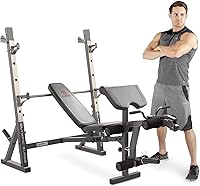
Choose equipment that matches your training plan and fits the measured space. A bench, adjustable weights, rack, or compact cable setup can cover different needs, but only if you can use it safely in the room.
Compare home gym equipment that fits your plan.
The best garage gym equipment guide can help you compare gear suited to this setting. Check dimensions and required clearance against your floor plan before ordering.
A cable attachment can add pulling exercises without taking up the footprint of a full machine, if you have a secure compatible anchor and room to move. The Mikolo Fitness LAT and Lift Pulley System includes 70 in and 90 in cables, a straight bar and tricep rope, and a loading pin designed for standard or Olympic plates.
The system's stated maximum load is 280 lb. Confirm that your anchor and plates are suitable, and keep the cable path clear of vehicles, doors, and other people.
What utilities does a garage gym need?
Check lighting, outlets, ventilation, and the garage door before training in the space. The setup should let you see equipment clearly, reach power safely, and keep fresh air moving.
Use bright lighting that covers the lifting area and any steps or thresholds. Keep cords away from walkways and moving equipment, and avoid overloading outlets with heaters or multiple devices.
Check that windows or vents can provide airflow, especially if exercise raises the room temperature. Keep the route to the house and outside doors clear, and make sure the garage door can open and close without hitting equipment.
If you plan to add permanent wiring, insulation, or ventilation, consult a qualified professional and check local requirements. Don't use an indoor heater outdoors or block a heater's air intake.
How can you heat a cold garage gym?
Improve drafts first, then choose heating that suits the room and its electrical setup. A small portable heater may warm a nearby workout area, but it won't replace proper insulation or safe wiring.
Keep any heater on a stable surface and away from mats, towels, stored fuel, and exercise equipment. Follow the manufacturer's instructions for placement, clearances, and supervision.
The Lasko 23" Ceramic Tower Space Heater has two heat settings, oscillation, a remote, and a 7-hour timer. Its listed features include overheat protection and cool-touch housing.
For a compact option, the GiveBest Space Heater offers 1500W and 750W heating modes, a cool-air fan, thermostat control, and tip-over and overheat shutoffs.
Both heaters are described for indoor use. Check the electrical load and follow the heater's safety instructions; don't use either in a damp area or where a vehicle could strike it.
See best garage space heater and best electric space heater for garage for more options.
How do you make the garage comfortable for regular workouts?
Reduce drafts, control clutter, and keep the floor dry so the room is ready when you want to train. Comfort changes with the season, so plan for both warm and cold weather.
Seal gaps around doors if appropriate, while preserving required ventilation and safe operation of any fuel-burning equipment. Use a fan when airflow is limited, and avoid storing damp towels or clothing in the workout area.
Keep cleaning supplies and vehicle products in closed storage away from exercise gear. If the garage is shared with a car, store chemicals as their labels direct and keep them out of the workout path.
A mirror can help you check positioning and movement, but mount it securely and away from swinging equipment. Compare best large gym wall mirrors and measure the wall before choosing one.
What should you do before the first workout?
Walk through the layout and test every movement with light or no load before training normally. Confirm that equipment stays stable and that you can move between stations without stepping over cords or gear.
Check doors, clearances, floor grip, and storage after each piece is installed. Make any needed changes before increasing weight or speed.
Use this final checklist:
- The floor is dry, level, and suitable for the planned equipment.
- Doors, vehicle paths, and exits remain clear.
- Each station has room for its full range of motion.
- Weights and small gear have stable storage.
- Lighting and airflow suit the workout.
- Cords and heaters are placed according to their instructions.
How do you finish turning a garage into a home gym?
For a garage conversion, prioritize a safe layout, floor protection, and the utilities you need most. Add equipment only after checking its footprint and movement clearance against the space.
If the garage still holds a vehicle, plan around its full parking area and choose movable or foldable equipment where it helps. If cold weather is the main barrier, address drafts and compare heater options before picking a safe location for one.
Frequently asked questions
What should I do first when turning a garage into a gym?
Measure the clear floor area and ceiling height, then map doors, vehicles, storage, outlets, and workout movement. Decide which training matters most before buying gear.
This gives you a layout to check against equipment dimensions, flooring needs, ventilation, and safe clearance.
Do I need special flooring for a garage gym?
Choose flooring based on the slab, equipment, and activities. Rubber mats can protect the surface under weights, while a continuous floor can help with workouts that involve moving around.
Check that the concrete is dry and level, and follow the flooring maker's guidance for installation and moisture.
Can I keep parking a car in a garage gym?
Yes, if the layout leaves a clear parking path and protects equipment from vehicle movement. Mark the vehicle's full space, door swing, and walking route, then place only movable or wall-mounted gear in the shared zone.
Keep weights and cords out of the vehicle path.
How can I make a garage gym usable in cold weather?
Start with weather sealing, appropriate clothing, and a warm-up before harder exercise. A portable indoor heater may help in a suitable space, but follow its instructions, keep it clear of equipment and flammable materials, and never leave it unattended.
Check local electrical and fire-safety guidance.