Home Gym vs Gym Membership: Which Should You Choose? (November 2026)
Choose a home gym if you value convenient access and can set aside space; choose a gym membership if you want shared equipment without storing it at home. Your budget, training plan and travel time help decide which option is easier to keep using.
On this page (8 sections)
- Home gym vs gym membership: which fits your routine?
- How do the costs compare over time?
- What equipment can each option provide?
- How much space does a home gym need?
- Which option is easier to use consistently?
- What should you consider for safety and upkeep?
- Can you combine home workouts and a gym membership?
- How do you choose between a home gym and a membership?
Choose a home gym if convenient access and privacy matter most; choose a gym membership if you want a wider range of equipment without storing it at home. In a home gym vs gym membership decision, your routine, available space and total cost matter more than the label.
A home setup can make short sessions easier to fit into the day. A commercial gym can offer more stations, classes and room to train, but getting there takes time.
There isn't one right choice for every schedule or budget. Compare how you'll train, how often you'll go and what each option asks you to maintain.

 Best for compact upper-body training
Ally Peaks Pull Up Bar for Doorway
Home gym vs gym membership: which fits your routine?
A home gym suits training that you can do with a compact set of equipment; a membership suits routines that depend on variety or shared facilities. Start with the exercises you actually plan to do.
Write down your usual week: strength sessions, cardio, classes, mobility work or a mix. Then mark which activities need a specific machine, heavier weights or an instructor.
If most sessions use bodyweight moves, dumbbells and a bench, home training may cover your needs. For a routine that changes between cable machines, treadmills and group classes, a gym may be more practical.
When does home training make more sense?
A home gym can suit you if travel makes workouts easy to skip, you prefer training alone or your schedule changes often. You can begin a session without waiting for equipment or planning around a commute.
That convenience only helps if you have a place to exercise and put equipment away. Set a realistic boundary for floor space, noise and storage before turning a spare room or corner into a training area.
A compact setup could start with a bench and a doorway pull-up bar, if both fit your space and training plan. The best home gym equipment for beginners can help you build a starter list around basic movements.
When does a gym membership make more sense?
A membership can suit you if you want several kinds of equipment, need more room to move or prefer a class schedule. It can also help if you don't have a safe or usable place to train at home.
Consider how far the gym is and when you would go. A location near work or on your usual route may be easier to use than one that adds a separate trip.
Check what the membership includes, such as classes or access to different locations. The exact options depend on the gym, so compare its current terms with the way you plan to train.
How do the costs compare over time?
A home gym usually shifts more of the cost to setup, while a membership creates recurring payments. Compare both over the same time period and include expenses beyond the main equipment or monthly fee.
For a home setup, account for the equipment you need, storage, floor protection and any delivery or assembly charges. You may be able to add pieces gradually, but buying more than you use can erase the savings.
For a membership, include enrollment fees, recurring charges, travel and any extras you expect to use. Check the cancellation terms and whether the gym charges more for classes or access to other locations.
A simple comparison can help:
- Choose a time period, such as 12 or 24 months.
- Add the gym's fees and your expected travel costs.
- Add the home equipment you would buy during that period.
- Estimate how often you would use each option.
- Compare cost per planned workout, then adjust for which option you'll stick with.
Cost per workout is only useful if the estimate is honest. If you expect to train at home 3 times a week but know you prefer a group class, use the schedule that reflects how you actually exercise.
What equipment can each option provide?
A commercial gym usually offers more equipment choices; a home gym gives you control over which tools stay within reach. Choose by the movements you need, not by how full a room looks.
For guided resistance at home, compare home gym machines with weights.
At home, you can build around essentials and add equipment only when your routine calls for it. A bench supports seated and lying strength movements, while a doorway bar can add upper-body work if your frame fits its requirements.
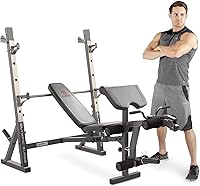
The FLYBIRD WB5 Weight Bench adjusts from decline to upright positions and folds for storage. The Ally Peaks Pull Up Bar for Doorway is removable, but it needs a compatible doorway and a secure fit before use.
If your plan includes heavy barbell lifts, consider the equipment and safety space involved before choosing a home setup. Some routines can work with squat rack home gym alternatives, while others may be easier to do at a gym with more stations.
How much space does a home gym need?
A home gym needs enough room for the equipment, your full range of movement and a clear route through the space. The footprint of a bench alone doesn't show whether you can use it safely.
Measure the room and the path through doors before buying equipment. Account for where you'll stand, move weights and store accessories when they're not in use.
Check ceilings, door swings and shared household spaces too. A setup that blocks an exit or makes it hard to reach stored items can become frustrating quickly.
Use the guide to measure a room for home gym equipment before you decide how much equipment to buy. In a compact room, plan how to keep exits clear in a home gym so the workout area doesn't interfere with everyday access.
A gym membership avoids storing equipment in your home, but it doesn't remove travel time or crowded hours. Think about the schedule when you would train, not only the gym's distance.
Which option is easier to use consistently?
The easier option is the one that fits your schedule with the fewest recurring obstacles. For home training, that may mean no commute; for a gym, it may mean having equipment and classes ready when you arrive.
Look at the points where your routine tends to fall apart. A long trip, limited time at home, lack of privacy or waiting for equipment can each make a plan harder to maintain.
If you work out in short windows, a home setup can cut down on preparation and travel. If you train better around other people or with a class time, the gym's shared setting may help you follow a routine.
Try a short planning exercise before committing to major equipment or a long membership. Put 2 or 3 possible workouts into next week's calendar, then note which location makes each one realistic.
What should you consider for safety and upkeep?
A home gym asks you to manage equipment placement and basic upkeep; a commercial gym manages shared equipment and space. In either setting, use equipment as directed and choose movements you can perform with control.
At home, inspect the floor, keep walkways clear and store weights where they won't fall or create a trip hazard. Check the instructions for any equipment that attaches to a doorway or other part of the home.
For a gym, learn how to adjust unfamiliar machines and return shared weights after use. Ask staff for help with equipment setup if you aren't sure how it works.
Noise can matter in a home, especially in an apartment or a room above another living space. Choose quieter movements and suitable floor protection, and check building rules before using equipment that may disturb others.
Can you combine home workouts and a gym membership?
A hybrid routine can work if each option has a clear role and the combined cost fits your budget. You might do brief bodyweight sessions at home and use a gym for machines, classes or heavier lifts.
Before paying for both, write down what you'd use each one for. If the home setup duplicates the equipment you use at the gym, or a membership goes unused, simplify the plan.
A small home base can cover movement on busy days. The gym can provide variety when you have more time or need equipment that won't fit in your home.
How do you choose between a home gym and a membership?
Choose a home gym if you have a suitable space and your routine fits equipment you can store; choose a gym membership if you need variety, classes or room you don't have at home. Compare the full cost and the weekly schedule before deciding.
Pick home training when quick access is the main benefit and you can keep the area safe and usable. Start with a short equipment list based on your planned exercises, then explore the best home gym equipment for those needs.
Pick a gym membership when the equipment range or shared setting is more useful than training at home. If lower-body strength is a priority, compare the best home gym equipment for legs with the options at a nearby gym before investing in larger gear.
If neither choice fits on its own, begin with the option you can use consistently and revisit the decision after a few weeks. For home training, match purchases to your actual routine; for a gym, check that the location and hours work for your calendar.
Frequently asked questions
Is a home gym cheaper than a gym membership?
A home gym can cost less over time if you use it regularly and keep the setup modest, but equipment, delivery and floor or storage needs add upfront cost. A membership spreads cost into recurring payments and may include more equipment.
Compare your expected use over a year or more.
Can a home gym replace a gym membership?
A home gym can replace a membership for a focused routine built around the equipment you own. It may not match a commercial gym's range of machines, classes or shared training space.
List the movements you do each week, then check whether a home setup can support them safely.
What should beginners choose, a home gym or a gym membership?
Beginners should choose the option they can reach consistently and use with confidence. A membership gives access to more equipment and may offer instruction, while home training removes the commute.
Start with your preferred exercises and schedule, then compare the costs and setup demands.
How much space does a home gym need?
The space depends on the equipment and movements you plan to do. A mat and resistance bands need little storage, while a rack, bench and barbell need room for setup and safe movement.
Measure the room, equipment footprint and clear paths before buying anything.